A World Hypertension Day 2026 Guide
Table of Contents
- Introduction: The Silent Killer Unmasked
- World Hypertension Day 2026: “Controlling Hypertension Together!”
- Understanding Blood Pressure: Know Your Numbers
- The Nigeria Context: A Nation at Risk
- Why Hypertension Is Called the Silent Killer
- The Devastating Consequences of Uncontrolled Blood Pressure
- Risk Factors: Who Is Most Vulnerable?
- Taking Control: Evidence-Based Strategies for Blood Pressure Management
- The Role of Regular Monitoring: Your First Line of Defense
- Medication Adherence: The Pill You Cannot Afford to Skip
- How Fransek Pharmacy Supports Your Blood Pressure Journey
- Building a Heart-Healthy Lifestyle: Practical Daily Habits
- Community Action: Controlling Hypertension Together
- Frequently Asked Questions
- Conclusion: Your Heart, Your Responsibility, Our Support
1. Introduction: The Silent Killer Unmasked
Every year, millions of people walk around with a ticking time bomb inside their bodies and they have no idea. There are no warning signs. No flashing lights. No alarms. Just steadily, quietly, their blood vessels are being damaged, their hearts are being overworked, and their organs are slowly failing. This is the reality of hypertension, commonly known as high blood pressure, the single most preventable cause of premature death worldwide.
But it does not have to be this way. Hypertension is not a death sentence it is a call to action. With early detection, regular monitoring, lifestyle modifications, and appropriate treatment, high blood pressure can be controlled. Lives can be saved. Families can be preserved. Communities can thrive.
This comprehensive guide, written in observance of World Hypertension Day 2026, is your roadmap to understanding, preventing, and controlling high blood pressure. Whether you are hypertensive, at risk, or simply health-conscious, the information here will empower you to take control of your cardiovascular health—and show you how Fransek Pharmacy stands ready as your partner in this critical journey.
2. World Hypertension Day 2026: “Controlling Hypertension Together!”
The Global Movement
World Hypertension Day is observed annually on May 17, a date established in 2005 by the World Hypertension League to raise global awareness about the dangers of high blood pressure and the importance of prevention and control.
What began as an educational initiative has evolved into a worldwide movement involving health organizations, governments, communities, and individuals united in the fight against cardiovascular disease.
The 2026 Theme: Collective Responsibility
The theme for World Hypertension Day 2026 is “Controlling Hypertension Together!”
This theme carries profound significance. It recognizes that hypertension is not an individual battle—it is a collective challenge requiring coordinated action from:
- Individuals and families committing to regular checks and healthy lifestyles
- Healthcare professionals providing accurate diagnosis, effective treatment, and ongoing support
- Communities creating environments that promote heart health
- Governments and policymakers ensuring access to affordable care and medications
- Pharmacies and health retailers like Fransek Pharmacy making essential products and services accessible
The message is clear: defeating the silent killer requires all of us, working together.
3. Understanding Blood Pressure: Know Your Numbers
What Is Blood Pressure?
Blood pressure is the force exerted by circulating blood against the walls of your arteries, the vessels that carry blood from your heart to the rest of your body. It is measured in millimeters of mercury (mmHg) and recorded as two numbers:
- Systolic pressure (top number): The pressure when your heart beats and pumps blood out
- Diastolic pressure (bottom number): The pressure when your heart rests between beats
Blood Pressure Categories
Understanding where your numbers fall is the first step toward control:
Table
| Category | Systolic (mmHg) | Diastolic (mmHg) |
|---|---|---|
| Normal | Less than 120 | Less than 80 |
| Elevated | 120–129 | Less than 80 |
| Stage 1 Hypertension | 130–139 | 80–89 |
| Stage 2 Hypertension | 140 or higher | 90 or higher |
| Hypertensive Crisis | Higher than 180 | Higher than 120 |
A reading of 140/90 mmHg or higher on two separate occasions confirms a diagnosis of hypertension.
Why “Knowing Your Numbers” Matters
The World Health Organization emphasizes that regular blood pressure measurement is the first step to prevention and control.
You cannot manage what you do not measure. Many people discover they have hypertension only after suffering a heart attack, stroke, or kidney failure—by which time the damage is already done. Knowing your numbers empowers you to act before catastrophe strikes.
4. The Nigeria Context: A Nation at Risk
Alarming Statistics
Nigeria faces a hypertension crisis of staggering proportions. A comprehensive systematic review and meta-analysis published in 2026, synthesizing data from 32 studies involving nearly 50,000 participants, revealed that the pooled prevalence of hypertension among Nigerian adults is 34.2% meaning approximately one in every three Nigerian adults is hypertensive.
Breaking Down the Numbers
- Gender disparity: Males show a higher prevalence (41.6%) compared to females (32.3%), though the difference is not statistically significant across all studies.
- Urban vs. rural: Contrary to common assumptions, hypertension affects both urban (34.0%) and rural (34.4%) populations almost equally. The notion that high blood pressure is only a “city problem” is dangerously false.
- Regional variation: The South-West (41.7%) and North-Central (38.1%) regions show particularly high point estimates, though variation exists across all six geopolitical zones.
Why Is Hypertension Rising in Nigeria?
Several interconnected factors are driving this epidemic:
- Dietary shifts: Increased consumption of processed and high-sodium foods, including imported seasonings, canned goods, and fast food
- Physical inactivity: Sedentary lifestyles driven by urbanization, desk jobs, and technology dependence
- Tobacco and alcohol use: Rising rates of smoking and harmful alcohol consumption
- Obesity epidemic: Growing overweight and obesity rates across all socioeconomic groups
- Psychosocial stress: Economic hardship, high cost of living, unemployment, and daily stressors
- Healthcare challenges: The “Japa syndrome”—emigration of healthcare workers—has depleted the workforce, reducing access to care
- High medication costs: Many Nigerians cannot afford or consistently access antihypertensive drugs
- Low awareness: Many affected individuals do not know they have hypertension until complications arise
The Global Picture
Nigeria’s crisis mirrors a global emergency. According to the WHO, an estimated 1.4 billion people worldwide live with hypertension, yet nearly half are unaware of their condition. Only about one in four people with hypertension have their blood pressure adequately controlled.
5. Why Hypertension Is Called the Silent Killer
The Absence of Symptoms
Hypertension earned its ominous nickname because it typically produces no symptoms until catastrophic damage has occurred. Unlike diabetes, which may cause excessive thirst, or malaria, which brings fever and chills, high blood pressure operates in stealth mode.
Some people may experience:
- Occasional headaches
- Dizziness
- Shortness of breath
- Chest pain
- Blurred vision
- Nosebleeds
But these symptoms usually appear only when blood pressure has reached dangerous levels or caused organ damage.
For the vast majority, there is no warning whatsoever.
The Deceptive Comfort of “Feeling Fine”
This absence of symptoms creates a dangerous paradox. People feel healthy, so they assume they are healthy. They skip checkups, ignore screenings, and dismiss advice. Meanwhile, their arteries are silently hardening, their hearts are enlarging, and their kidneys are slowly failing. By the time symptoms appear, the damage is often irreversible.
The Power of Early Detection
This is why the WHO’s key message for World Hypertension Day 2026 is so critical: “Check your blood pressure regularly.”
Regular screening is the only way to catch hypertension before it catches you.
6. The Devastating Consequences of Uncontrolled Blood Pressure
When hypertension is left unchecked, it systematically destroys virtually every organ system in the body. Understanding these consequences is essential for appreciating why control is non-negotiable.
Cardiovascular System
- Heart attack (myocardial infarction): High blood pressure damages coronary arteries, leading to plaque buildup and blockage
- Heart failure: The heart muscle thickens and weakens from overwork, eventually failing to pump effectively
- Left ventricular hypertrophy: Enlargement of the heart’s main pumping chamber, a precursor to heart failure
- Aortic aneurysm: Weakening and ballooning of the aorta, which can rupture fatally
Brain and Nervous System
- Stroke: Hypertension is the leading cause of both ischemic (clot-related) and hemorrhagic (bleeding) strokes
- Cognitive decline: Chronic high blood pressure damages small vessels in the brain, contributing to vascular dementia
- Transient ischemic attacks (TIAs): “Mini-strokes” that serve as warning signs of worse to come
Kidneys
- Chronic kidney disease: Damaged blood vessels in the kidneys reduce filtration capacity
- End-stage renal disease: Complete kidney failure requiring dialysis or transplantation
- Proteinuria: Leakage of protein into urine, an early sign of kidney damage
Eyes
- Hypertensive retinopathy: Damage to blood vessels in the retina, potentially causing blindness
- Optic nerve damage: Reduced blood flow affecting vision
Peripheral Arteries
- Peripheral artery disease: Narrowed arteries reducing blood flow to legs, causing pain and potentially requiring amputation
- Erectile dysfunction: Reduced blood flow to the penis, affecting sexual health and quality of life
The Economic Burden
Beyond the human toll, hypertension imposes crushing economic costs:
- Direct costs: Hospitalizations, medications, surgeries, dialysis
- Indirect costs: Lost productivity, disability, premature death, caregiver burden
- Catastrophic health expenditure: Many Nigerian families are pushed into poverty by hypertension-related medical costs
7. Risk Factors: Who Is Most Vulnerable?
Understanding your risk profile helps you take targeted preventive action.
Non-Modifiable Risk Factors
These are factors you cannot change, but knowing them allows for heightened vigilance:
- Age: Risk increases significantly after 45 for men and 55 for women
- Family history: Having a parent or sibling with hypertension doubles your risk
- Genetics: Certain ethnic groups, including people of African descent, have higher susceptibility
- Sex: Men are at higher risk earlier in life; women catch up after menopause
Modifiable Risk Factors
These are within your control—and where your power lies:
- High sodium intake: Consuming more than 5g of salt daily (about one teaspoon)
- Physical inactivity: Sedentary lifestyle with less than 150 minutes of moderate exercise weekly
- Overweight and obesity: Particularly abdominal obesity (waist circumference >102cm for men, >89cm for women)
- Excessive alcohol consumption: More than two drinks per day for men, one for women
- Tobacco use: Smoking damages blood vessels and raises blood pressure
- Chronic stress: Prolonged psychological distress contributes to hypertension
- Unhealthy diet: Low in fruits, vegetables, and whole grains; high in saturated fats and processed foods
- Sleep apnea: Interrupted breathing during sleep raises blood pressure
The Multiplier Effect
Risk factors do not operate in isolation—they compound each other. A person who is overweight, sedentary, consumes excessive salt, and smokes faces exponentially higher risk than someone with just one risk factor. Conversely, addressing multiple risk factors simultaneously produces synergistic benefits.
8. Taking Control: Evidence-Based Strategies for Blood Pressure Management
The good news is that hypertension is both preventable and controllable. The following strategies, endorsed by the World Health Organization, the International Society of Hypertension, and leading medical institutions, form the foundation of effective blood pressure management.
8.1 Reduce Sodium Intake
Sodium is the single most important dietary factor in hypertension. The WHO recommends consuming less than 5g of salt per day (approximately one teaspoon).
Practical steps:
- Remove the salt shaker from your dining table
- Avoid adding salt during cooking; use herbs and spices instead
- Read food labels and choose low-sodium products
- Limit processed and packaged foods, which account for 75% of sodium intake
- Rinse canned foods before cooking
- Be cautious with bouillon cubes, seasonings, and sauces—major hidden sodium sources in Nigerian cooking
Impact: Reducing sodium can lower blood pressure by 5–6 mmHg.
8.2 Adopt the DASH Eating Pattern
The Dietary Approaches to Stop Hypertension (DASH) diet emphasizes:
- Fruits and vegetables (4–5 servings each daily)
- Whole grains (6–8 servings daily)
- Low-fat dairy (2–3 servings daily)
- Lean proteins: fish, poultry, beans, nuts
- Healthy fats: olive oil, avocado, nuts
- Minimal sweets and red meat
Nigerian adaptations:
- Efo riro with minimal oil and no added salt
- Ofada rice with grilled fish
- Moi moi (steamed bean pudding)
- Okra soup with lean meat
- Fresh fruit salads with pineapple, watermelon, and papaya
Impact: The DASH diet can lower blood pressure by up to 11 mmHg.
8.3 Increase Potassium Intake
Potassium helps counteract the effects of sodium on blood pressure. Aim for 3,500–5,000mg daily through:
- Bananas, plantains, and sweet potatoes
- Beans and lentils
- Leafy greens (ugu, efo, spinach)
- Tomatoes and avocados
- Coconut water
Caution: People with kidney disease should consult their doctor before increasing potassium.
8.4 Engage in Regular Physical Activity
Regular aerobic exercise lowers blood pressure by 5–8 mmHg.
The goal is at least 30 minutes of moderate-intensity activity most days of the week.
Accessible options for Nigerians:
- Brisk walking (safely, in your neighborhood or estate)
- Dancing to Nigerian music
- Swimming
- Cycling
- Jogging
- Strength training twice weekly
Key principle: Consistency matters more than intensity. A daily 30-minute walk is more beneficial than an occasional strenuous workout.
8.5 Achieve and Maintain Healthy Weight
Losing weight is one of the most effective ways to lower blood pressure. Each kilogram (2.2 pounds) of weight lost can reduce blood pressure by approximately 1 mmHg.
Focus on waist circumference:
8.6 Limit Alcohol Consumption
If you drink alcohol, do so in moderation:
One standard drink equals 12oz of beer, 5oz of wine, or 1.5oz of spirits. Excessive alcohol raises blood pressure and reduces medication effectiveness.
8.7 Quit Smoking
Smoking damages blood vessel walls, accelerates artery hardening, and raises blood pressure immediately upon use. Quitting smoking:
- Lowers blood pressure
- Reduces heart disease risk
- Improves overall health and longevity
- Benefits begin within minutes of the last cigarette
8.8 Manage Stress Effectively
Chronic stress contributes to hypertension through multiple pathways. The International Society of Hypertension recommends:
- Mindfulness-Based Stress Reduction (MBSR): At least 3 hours per week
- Yoga, meditation, or tai chi: At least 45 minutes daily
- Music therapy: Listening to calming music 25 minutes daily, 1–3 times per week
- Deep breathing exercises: 5–10 minutes, twice daily
Practical stress management:
- Identify your stress triggers (work, finances, relationships)
- Focus on what you can control; release what you cannot
- Practice saying “no” to avoid overcommitment
- Schedule relaxation time as you would any important appointment
- Seek professional help if stress becomes overwhelming
8.9 Prioritize Sleep
Poor sleep quality and sleep apnea are strongly linked to hypertension. Aim for 7–9 hours of quality sleep nightly:
- Maintain consistent sleep and wake times
- Create a cool, dark, quiet sleep environment
- Avoid screens 1 hour before bedtime
- Limit caffeine after 2 PM
- Seek evaluation if you snore loudly or wake gasping
9. The Role of Regular Monitoring: Your First Line of Defense
Why Home Monitoring Matters
The U.S. Centers for Disease Control and Prevention (CDC) emphasizes that measuring your blood pressure regularly is a critical step toward control.
Home blood pressure monitoring offers several advantages:
- Convenience: No need for frequent clinic visits
- Accuracy: Multiple readings over time provide a truer picture than occasional clinic measurements (which may be elevated due to “white coat syndrome”)
- Empowerment: Seeing your numbers motivates adherence to lifestyle changes and medications
- Early detection: Catches rising trends before they become dangerous
How to Measure Correctly
For accurate readings:
- Rest for 5 minutes before measuring
- Sit upright with back supported, feet flat on the floor
- Place cuff on bare arm at heart level
- Avoid caffeine, exercise, and smoking for 30 minutes prior
- Take two readings 1–2 minutes apart, morning and evening, for 7 days
- Record all readings in a log to share with your healthcare provider
How Often Should You Check?
- Adults 18–39 with normal BP: Every 3–5 years
- Adults 40 and above: Annually, minimum
- Those with elevated BP or risk factors: Every 6 months
- Diagnosed hypertensives: Daily or as directed by your doctor
10. Medication Adherence: The Pill You Cannot Afford to Skip
When Lifestyle Is Not Enough
For many people, lifestyle modifications alone cannot achieve target blood pressure levels. This is not a failure—it is a medical reality. Hypertension is a chronic condition that often requires lifelong pharmacological treatment.
The WHO Treatment Protocol
The WHO guidelines recommend:
- Initiating treatment when blood pressure is consistently ≥140/90 mmHg
- Using single-pill combinations when possible to improve adherence
- Targeting blood pressure below 140/90 mmHg for most adults
- Regular follow-up to adjust treatment as needed
Common Medication Classes
- Thiazide diuretics: Reduce fluid volume
- ACE inhibitors: Relax blood vessels
- Angiotensin II receptor blockers (ARBs): Block vessel-constricting hormones
- Calcium channel blockers: Prevent calcium from entering heart and vessel cells
- Beta-blockers: Reduce heart rate and output
The Adherence Crisis
Globally, medication non-adherence is a major barrier to hypertension control. Reasons include:
- Cost: Medications are unaffordable
- Forgetfulness: Complex regimens are hard to follow
- Side effects: Fear of adverse reactions
- Misconceptions: Belief that medication is only needed when symptoms appear
- Stockouts: Pharmacies running out of essential drugs
This is where accessible, reliable pharmacies become critical partners in care.
11. How Fransek Pharmacy Supports Your Blood Pressure Journey
In the fight against hypertension, Fransek Pharmacy stands as more than a place to buy pills it is a comprehensive health partner committed to helping Nigerians control their blood pressure and protect their hearts.
Accessible Blood Pressure Monitoring
Fransek Pharmacy provides:
- Free or low-cost blood pressure checks for walk-in customers
- Professional-grade BP monitors available for home purchase
- Guidance on proper measurement technique from trained staff
- BP logbooks to help you track your numbers over time
No appointment needed. No long queues. Just walk in, get checked, and know your numbers.
Authentic Medications at Competitive Prices
Fransek Pharmacy stocks a comprehensive range of antihypertensive medications, including:
- First-line treatments recommended by WHO guidelines
- Single-pill combinations for improved adherence
- Generic equivalents that reduce cost without compromising quality
- All major drug classes to accommodate individual needs and tolerability
By keeping prices competitive and ensuring consistent stock availability, Fransek Pharmacy addresses two of the biggest barriers to hypertension control in Nigeria: cost and access.
Pharmacist Consultation and Counseling
The pharmacists at Fransek Pharmacy offer:
- Medication counseling: Explaining how your drugs work, when to take them, and what to expect
- Side effect management: Helping you navigate and minimize adverse effects
- Drug interaction screening: Ensuring your antihypertensives are safe with other medications
- Adherence support: Strategies to help you stay consistent with your treatment plan
- Lifestyle advice: Practical tips on diet, exercise, and stress management tailored to your situation
Home Blood Pressure Monitors
For those ready to take monitoring into their own hands, Fransek Pharmacy offers:
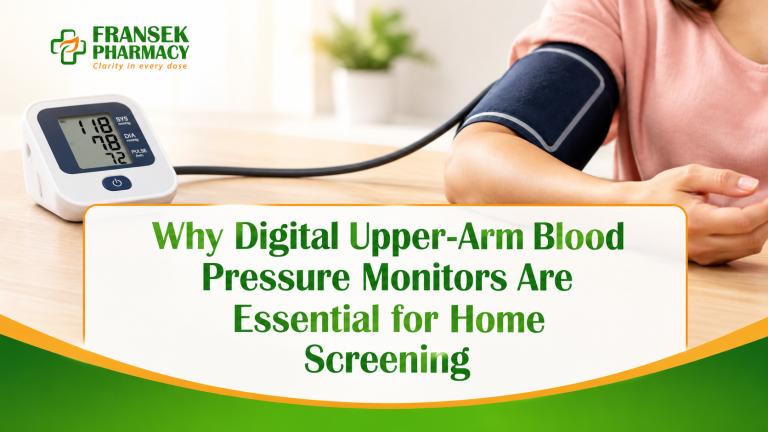
- Digital automatic arm monitors with validated accuracy
- Wrist monitors for portability and convenience
- Cuffs in various sizes to ensure proper fit and accurate readings
- Battery-powered and rechargeable options
Investing in a home monitor is one of the most impactful health purchases you can make—and Fransek Pharmacy makes it accessible.
Health Education and Community Outreach
Aligned with the World Hypertension Day 2026 theme of “Controlling Hypertension Together,” Fransek Pharmacy is committed to community health education through:
- Informative articles and resources on cardiovascular health
- Social media campaigns raising awareness about hypertension
- Partnerships with local health initiatives for screening and education
- Customer newsletters with seasonal health tips and reminders
Convenience and Reliability
In a healthcare landscape plagued by stockouts, counterfeit drugs, and inaccessible services, Fransek Pharmacy offers:
- Consistent stock availability of essential antihypertensives
- Authentic, quality-assured products sourced through legitimate channels
- Multiple ordering options: In-store, online at fransekpharmacy.com, or via phone
- Delivery services for those unable to visit in person
- Discreet, professional service that respects your privacy and dignity
Your Partner for Life
Hypertension management is not a one-time event—it is a lifelong commitment. Fransek Pharmacy understands this and positions itself as your long-term health partner, walking with you from your first suspicious reading through decades of successful control.
12. Building a Heart-Healthy Lifestyle: Practical Daily Habits
Transforming knowledge into action requires practical, sustainable habits. Here is a day-in-the-life blueprint for blood pressure control:
Morning Routine
- 7:00 AM: Wake up, drink a glass of water
- 7:15 AM: Take your blood pressure medication (if prescribed) with water
- 7:30 AM: 10 minutes of stretching or light yoga
- 8:00 AM: Heart-healthy breakfast: oatmeal with banana and nuts, or moi moi with vegetables
- 8:30 AM: Check your blood pressure and record the reading
Midday Habits
- 12:00 PM: Lunch featuring lean protein, vegetables, and a small portion of complex carbohydrates. Avoid adding salt.
- 1:00 PM: 10-minute walk after lunch
- 3:00 PM: Fresh fruit snack (watermelon, orange, or apple)
- 3:30 PM: Deep breathing exercise: inhale for 4 counts, hold for 4, exhale for 6. Repeat 10 times.
Evening Routine
- 6:00 PM: 30-minute brisk walk, jog, or dance session
- 7:00 PM: Dinner: grilled fish, steamed vegetables, small portion of ofada rice. Use herbs and spices for flavor.
- 8:00 PM: Herbal tea (hibiscus, known to support healthy blood pressure) or water
- 9:00 PM: Wind down: read, listen to calming music, or practice meditation
- 10:00 PM: Prepare for sleep; avoid screens
- 10:30 PM: Sleep
Weekly Practices
- Sunday meal prep: Prepare heart-healthy meals for the week to avoid impulsive unhealthy choices
- Weekly BP review: Calculate your average readings and note any trends
- Pharmacy visit: Refill prescriptions, ask questions, get a professional BP check at Fransek Pharmacy
- Social connection: Spend time with loved ones—strong relationships reduce stress and support heart health
13. Community Action: Controlling Hypertension Together
The 2026 theme reminds us that hypertension control is a shared responsibility. Here is how different stakeholders can contribute:
Individuals and Families
- Get your blood pressure checked regularly
- Adopt heart-healthy habits and encourage family members to do the same
- Support relatives with hypertension in adhering to their treatment plans
- Create home environments that promote healthy eating and active living
Workplaces
- Offer wellness programs including BP screening
- Provide healthy food options in cafeterias
- Encourage physical activity (walking meetings, gym subsidies)
- Reduce workplace stress through reasonable workloads and mental health support
Religious and Community Organizations
- Host health fairs with free BP checks
- Share health education during gatherings
- Create support groups for people managing chronic conditions
- Advocate for healthy food at community events
Healthcare Providers
- Prioritize accurate BP measurement in every patient encounter
- Prescribe affordable, effective regimens
- Follow up consistently with hypertensive patients
- Educate patients about lifestyle modification
Pharmacies (Like Fransek Pharmacy)
- Ensure consistent availability of affordable antihypertensives
- Provide counseling and adherence support
- Offer screening services
- Engage in community health education
Government and Policymakers
- Implement salt reduction policies in processed foods
- Fund primary healthcare and NCD programs
- Regulate drug pricing to ensure affordability
- Invest in public health campaigns
14. Frequently Asked Questions
Q1: I feel fine. Do I really need to check my blood pressure?
A: Absolutely. Hypertension rarely causes symptoms until damage is severe. The only way to know is to measure. The WHO states that most people with hypertension are unaware they have it.
Q2: Can hypertension be cured?
A: Primary hypertension cannot be cured, but it can be effectively controlled through lifestyle changes and, when necessary, medication. Secondary hypertension may resolve if the underlying cause is treated.
Q3: I take my medication when I remember. Is that okay?
A: No. Inconsistent medication adherence is a major reason for poor blood pressure control. Take your medication exactly as prescribed, at the same time daily. Use pill organizers, phone alarms, or pharmacy refill reminders to stay consistent.
Q4: Are generic blood pressure medications as good as brand-name ones?
A: Yes. Generic medications contain the same active ingredients and must meet the same quality standards. They are significantly more affordable and are recommended by the WHO to improve access and adherence.
Q5: Can I stop my medication if my blood pressure improves?
A: Never stop or reduce medication without consulting your doctor. Blood pressure improvements are often due to the medication working, not the condition resolving. Stopping abruptly can cause dangerous rebound hypertension.
Q6: How can Fransek Pharmacy help if I cannot afford my medication?
A: Fransek Pharmacy offers competitive pricing on generic antihypertensives. Speak with the pharmacist about affordable options, pill combinations that reduce cost, and strategies to make your regimen more economical.
Q7: What is the best home blood pressure monitor to buy?
A: Look for an automatic upper-arm monitor with a validated accuracy seal. Ensure the cuff fits your arm properly. Fransek Pharmacy stocks reliable, validated monitors and can help you select the right one.
Q8: Does stress really cause high blood pressure?
A: Acute stress temporarily raises blood pressure. Chronic stress contributes to sustained hypertension through behavioral pathways (poor diet, inactivity, alcohol use) and physiological mechanisms (chronic cortisol elevation). Stress management is an important part of control.
15. Conclusion: Your Heart, Your Responsibility, Our Support
Hypertension may be called the silent killer, but silence is not surrender. Every blood pressure check is an act of defiance against this invisible enemy. Every healthy meal is a blow against cardiovascular disease. Every walk, every deep breath, every pill taken on time is a step toward a longer, healthier life.
The statistics are sobering—one in three Nigerian adults is hypertensive, and millions more are at risk.
But statistics are not destiny. The WHO reminds us that hypertension can be prevented and controlled, and treatment works.
Affordable, effective interventions exist. The knowledge is available. The tools are accessible.
This World Hypertension Day 2026, embrace the theme: “Controlling Hypertension Together!” Take personal responsibility for your cardiovascular health, but do not walk alone. Engage your family, your community, your healthcare providers, and your pharmacy.
Fransek Pharmacy is committed to being your partner in this journey—from the first blood pressure check to decades of successful management. With accessible monitoring, authentic medications, expert counseling, and unwavering support, we stand with you in making the silent killer silent no more.
Your Action Plan Today
- Schedule a blood pressure check at Fransek Pharmacy this week
- Purchase a home BP monitor if you do not have one
- Review your diet and identify one high-sodium food to eliminate
- Commit to 30 minutes of physical activity daily
- If you are on medication, set a daily alarm and never miss a dose
- Share this article with someone you love—hypertension control truly is a team effort
The silent killer thrives on ignorance and inaction. Your awareness and action are its greatest enemies. Take control. Live longer. Live better.
Disclaimer: This article is for educational and informational purposes only and does not constitute medical advice. Always consult with a qualified healthcare provider for diagnosis, treatment, and management of hypertension. Never start, stop, or change medication without professional guidance. Blood pressure targets and treatment plans should be individualized based on your specific health profile.