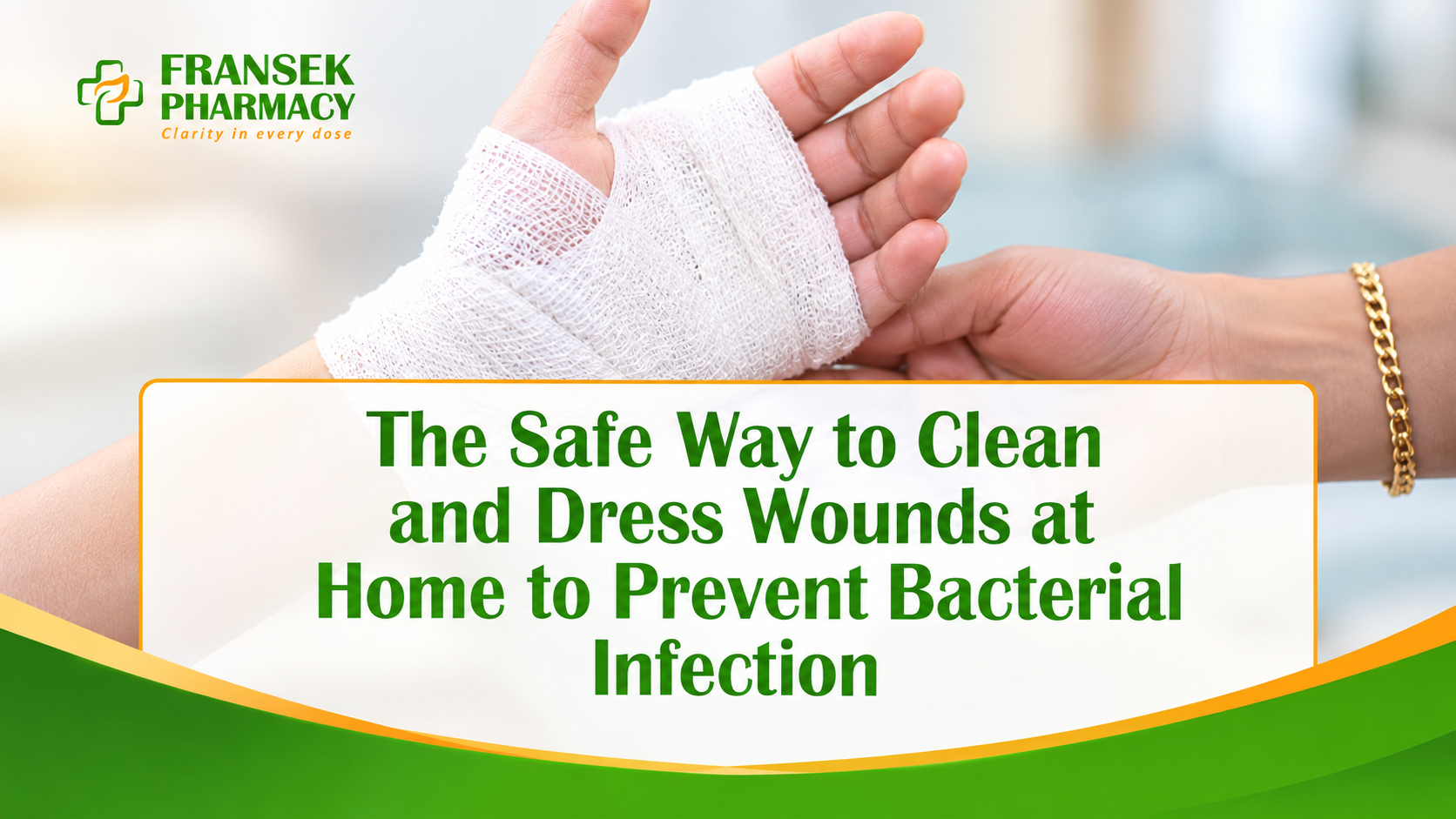
A slip of a kitchen knife, an accidental scrape against rough concrete, or a child’s fall on a playground: minor wounds happen in every home. Yet the traditional home response is often rooted in outdated, harmful first-aid habits.
For decades, the standard instinct has been to pour hydrogen peroxide, methylated spirit (rubbing alcohol), or harsh household disinfectants directly into an open cut. The intense bubbling or stinging sensation is often mistaken for “killing all the germs.” In reality, these aggressive chemicals destroy fragile human tissue, delay natural epithelial migration, and increase scarring.
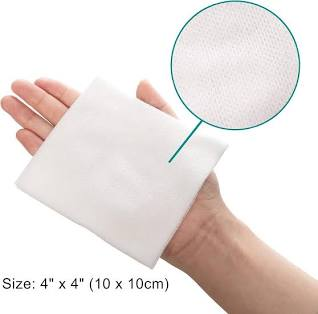
At Fransek Pharmacy, our clinical team manages both acute first-aid injuries and secondary bacterial infections resulting from improper home care. Proper wound management is about preserving healthy tissue while reducing microbial burden. Here is how wound healing works and the clinical protocol to clean, protect, and dress a cut safely at home.
The Physiology of Wound Healing: Why Harsh Antiseptics Harm Recovery
When skin integrity is breached, the body immediately begins a four-stage biological repair cascade: hemostasis, inflammation, proliferation, and remodeling.
  [ Hemostasis ]  ──►  [ Inflammation ]  ──►  [ Proliferation ]  ──►  [ Remodeling ]
  Platelet plug       Neutrophils clear       Fibroblasts lay down    Collagen cross-links
  stops bleeding      cellular debris         new granulation tissue  for tensile strength
The Cytotoxicity of Traditional Chemicals
- Hydrogen Peroxide (3%): The famous fizzing is caused by the catalase enzyme breaking peroxide into water and oxygen. While it lyses some bacteria, it is non-selective: it rapidly destroys macrophages, fibroblasts, and newly forming capillary endothelial cells, leaving behind a layer of dead cellular debris that provides fuel for bacteria.
- Methylated Spirit / Isopropyl Alcohol: Alcohol causes cellular dehydration and protein coagulation in open microvascular beds. It produces severe pain, induces tissue necrosis inside open tissue, and significantly impairs local immune defense.
Pharmacist’s Rule: Methylated spirit and rubbing alcohol are meant for intact skin (such as sanitizing hands or preparing an injection site), never for open, broken tissue.
Chemical Comparison: What Belongs in an Open Wound?
| Cleansing Agent | Cytotoxicity to Granulation Tissue | Effectiveness for Debris Removal | Clinical Recommendation |
| Sterile Normal Saline (0.9% NaCl) | Zero (Isotonic & completely safe) | Excellent mechanical flushing | First-line clinical gold standard |
| Clean Potable Tap Water | Very Low (Safe for intact tissues) | Excellent volume irrigation | Acceptable alternative if saline is absent |
| Chlorhexidine / Cetrimide Solution | Low to Moderate (Diluted only) | Broad-spectrum antimicrobial | Useful around wound edges & infected scrapes |
| Povidone-Iodine (Betadine) | Moderate (Inhibits fibroblasts if left undiluted) | Powerful broad-spectrum coverage | Good for contaminated margins; rinse after |
| Hydrogen Peroxide / Spirit | Extremely High (Causes tissue necrosis) | Causes chemical burn to raw dermis | Avoid completely in open wound beds |
The Step-by-Step Clinical Wound Care Protocol
For minor, shallow cuts, grazes, and skin tears, follow this clean procedure:
1.Stop the Bleeding with Direct Pressure:
Before reaching for cleansers, prioritize hemostasis. Press a clean, sterile gauze compress firmly over the bleeding site for 3 to 5 continuous minutes without lifting the pad to peek. Elevation above the level of the heart helps reduce hydrostatic pressure.
2.Irrigate the Wound Copiously:Do not scrub raw flesh.
Flush the wound bed thoroughly using Sterile 0.9% Normal Saline or cool, running drinkable water. The goal is mechanical removal of surface dirt, grit, and microscopic pathogens. Avoid scrubbing raw tissue with dry cotton wool, which leaves shed fibers behind to trigger foreign-body inflammation.
3.Apply a Barrier Ointment:
Contrary to the old myth of “letting a cut air out to form a scab,” cells heal up to 40% faster in a moist microenvironment. Apply a thin layer of medical-grade petroleum jelly or a broad-spectrum topical antibacterial ointment (such as bacitracin or neomycin/polymyxin B) to keep the wound margins pliable and prevent the dressing from adhering to raw tissue.
4.Apply a Sterile, Non-Stick Dressing:
Cover the site with a sterile non-adherent pad (paraffin gauze or telfa pad) and secure it with hypoallergenic paper tape or a flexible cohesive bandage. The dressing shields the exposed dermis from environmental contaminants and friction.
5.Change Dressing Every 24 Hours (or When Wet):
Inspect and redress the wound daily. If the dressing becomes saturated with exudate, gets soaked with bathwater, or loosens, change it immediately to prevent bacterial maceration.
When to Seek Urgent Medical Attention
Not every laceration can or should be treated at home. Escalate immediately to an urgent care center or physician under the following circumstances:
                      ┌────────────────────────────┐
                      │    Red-Flag Wound Triggers │
                      └─────────────┬──────────────┘
         ┌──────────────────────────┼──────────────────────────┐
         ▼                          ▼                          ▼
  Biomechanical Risk         Infection Clues            Tetanus / Toxicity
  • Gaping wound edges       • Spreading red streaks    • Soil / animal bite
  • Uncontrolled bleeding    • Purulent yellow exudate  • Tetanus vaccine
  • Numbness / loss of motion• Throbbing heat & fever     outdated (>5-10 yrs)
- Gaping Edges (Needing Sutures): If the cut is deeper than 6 mm, exposes yellow adipose tissue (fat), muscle, or bone, or the edges do not pull neatly together, professional closure (sutures, surgical glue, or Steri-Strips) is required within 6 to 8 hours to prevent infection and severe scarring.
- Arterial Pulsing or Uncontrolled Hemorrhage: Blood that spurts in rhythm with your pulse or bleeds through saturated pads after 10 minutes of continuous pressure requires emergency triage.
- Animal or Human Bites, or Rusty Metal: Animal saliva harbors virulent anaerobes (Pasteurella); punctured wounds from rusty, soil-covered nail spikes carry Clostridium tetani. These require professional debridement, prophylactic oral antibiotics, and an updated Tetanus Toxoid booster.
- Spreading Signs of Sepsis or Cellulitis: If redness expands outward, the wound feels burning hot, red streaks travel up the limb toward the heart (lymphangitis), or systemic fever develops.
Why Stock First-Aid Supplies from Fransek Pharmacy?
Using non-sterile, contaminated cotton balls or expired dressings from unverified suppliers introduces pathogens straight into open blood vessels.
At Fransek Pharmacy, we provide hospital-grade first-aid essentials:
- Sterile Irrigants & Non-Stick Dressings: We supply pharmaceutical-grade Normal Saline pods, sterile gauze packs, and paraffin-impregnated tulle dressings that won’t tear away healing tissue upon removal.
- Tissue-Safe Antiseptics: Genuine chlorhexidine and gentle povidone solutions stored under temperature control to maintain active microbial potency.
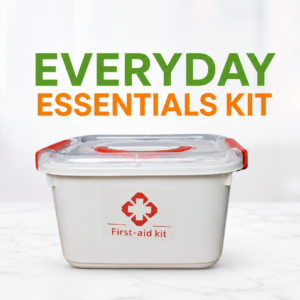
- Complete Home First-Aid Kits: Curated by our pharmacists with calibrated shears, cohesive wraps, paper tape, and wound ointments for emergencies.
Stock Your First-Aid Kit with Medical-Grade Essentials
Proper home wound care protects you from secondary hospitalizations and unsightly scars. Ditch the painful, tissue-damaging chemical scrubs and use clean, gentle irrigation and sterile protection.
Upgrade your home emergency kit today.
Order Sterile Gauze, Saline, and Wound Care Supplies at Fransek Pharmacy or chat with our pharmacist on duty via live chat for guidance on home dressing techniques and infection prevention.