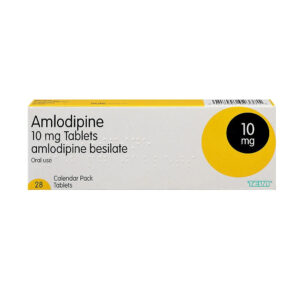
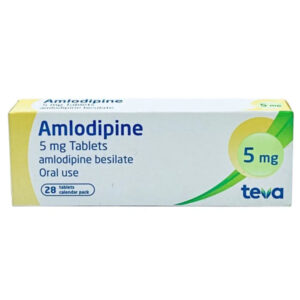
AMLODIPINE 10MG XSAT (TEVA REG)
mlodipine is a Calcium Channel Blocker (CCB) of the dihydropyridine class. It is primarily used to treat hypertension (high blood pressure) and to prevent angina (chest pain) caused by reduced blood flow to the heart muscle. The 10mg dose is the maximum standard daily strength for adults
-
The active ingredient, Amlodipine Besylate, works by inhibiting the movement of calcium ions into the smooth muscle cells of the blood vessels and the heart. This action causes the peripheral blood vessels to relax and widen (vasodilation), which lowers the overall blood pressure and reduces the workload on the heart. Because it has a long duration of action (a half-life of 30–50 hours), it provides consistent blood pressure control for a full 24 hours with a single dose. It is particularly effective for elderly patients and those with “isolated systolic hypertension.”
Clinical management of Amlodipine involves taking one tablet daily, which can be taken with or without food. It is strictly contraindicated for patients with severe hypotension (very low blood pressure) or those in cardiogenic shock. Common side effects include edema (swelling of the ankles or feet), dizziness, and flushing (redness of the face). Unlike some other blood pressure medications, it does not typically affect heart rhythm but may occasionally cause a rapid heartbeat (palpitations) in the initial stages of treatment.
Critical Interactions for Your Profile
Given the extensive list of medications you are managing, please note these high-priority clinical points:
-
Blood Pressure Overlap: You have previously inquired about several other blood pressure medications, including Lisinopril, Losartan, Carvals, and Carvedilol. Taking Amlodipine alongside these increases the risk of hypotension (excessively low blood pressure), which can cause fainting or falls.
-
Pain Meds (Curefenac/Felvin): NSAIDs like Diclofenac (Curefenac) and Piroxicam (Felvin) can reduce the blood-pressure-lowering effect of Amlodipine and increase the risk of kidney strain.
-
Mental Health (Risperidone/Amitriptyline): Amlodipine can worsen the orthostatic hypotension (dizziness when standing up) that is already a risk with Risperidone and Amitriptyline.
-
Statins (Atorvastatin/Simvastatin): If you are taking Simvastatin, Amlodipine can increase its levels in your blood, raising the risk of muscle damage; your doctor may need to limit your Simvastatin dose.
Related products
-
-

Astin 10mg x30
₦4,500 -

Asomex-5 (S-Amlodipine)
₦2,800 -
Co-Diovan 160/25mg x28
₦30,000 -