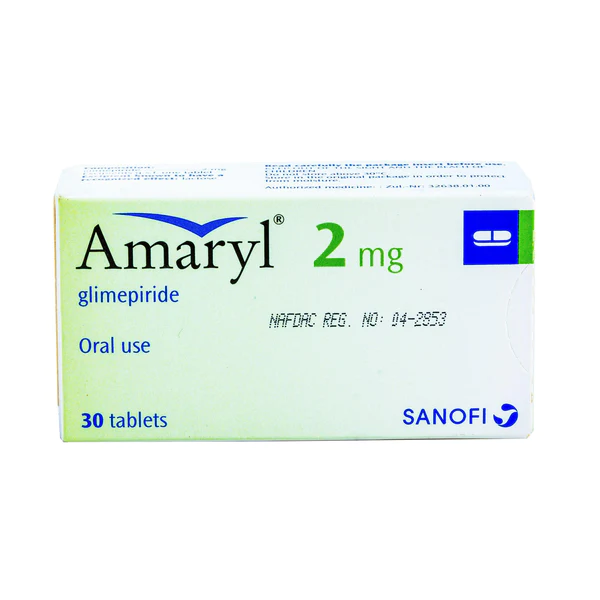
Amaryl 2mg *sat
Amaryl 2mg is an oral sulfonylurea antidiabetic medication. Its primary ingredient is Glimepiride, and it is used to lower blood sugar levels in adults with Type 2 diabetes mellitus. It is intended to be used alongside a proper diet and exercise program when those measures alone are not enough to control blood glucose.
Amaryl works by stimulating the beta cells in the pancreas to release more insulin into the bloodstream. Unlike Metformin (which helps the body use insulin better), Amaryl acts as an “insulin secretagogue,” forcing the release of stored insulin. The 2mg dose is a common maintenance strength. Because it helps the body process sugar more effectively throughout the day, it is highly effective at reducing HbA1c levels. It belongs to the “second-generation” sulfonylureas, which generally have a lower risk of certain side effects compared to older drugs in the same class.
Clinical management of Amaryl 2mg requires taking the tablet once daily with breakfast or the first main meal of the day. Skipping meals while on this medication is dangerous as it significantly increases the risk of hypoglycemia (low blood sugar). Symptoms of low sugar include sudden sweating, shaking, fast heartbeat, and hunger; you should always carry a quick source of sugar (like glucose tablets or fruit juice) with you. It is strictly contraindicated for patients with Type 1 diabetes or those in a state of diabetic ketoacidosis. Common side effects include dizziness, headache, and nausea.
Critical Interactions for Your Profile
Given the other medications you are managing, please note these specific clinical risks:
-
Double-Dosing Risk: You have inquired about Swibetic, which already contains Glipizide (another sulfonylurea). Taking Amaryl and Swibetic together is generally avoided because it causes a “double-stimulus” to the pancreas, which can lead to severe, life-threatening low blood sugar.
-
Pain Meds (Felvin/Piroxicam): Strong NSAIDs like Felvin can increase the blood-sugar-lowering effect of Amaryl, making hypoglycemia more likely.
-
Blood Pressure (Lisinopril): ACE inhibitors like Lisinopril can increase insulin sensitivity, which may require a downward adjustment of your Amaryl dose to prevent low sugar.
-
Antibiotics (Cenox/Ciprofloxacin): Some antibiotics can interact with Amaryl and cause unpredictable changes in blood sugar.
Related products
-
FORXIGA 10MGM X28
₦50,000 -
-

Glucophage 1000mg sat
₦12,000 -

Amaryl 4mg *sat
₦24,000 -
Novomix 30 flexpen
₦105,000